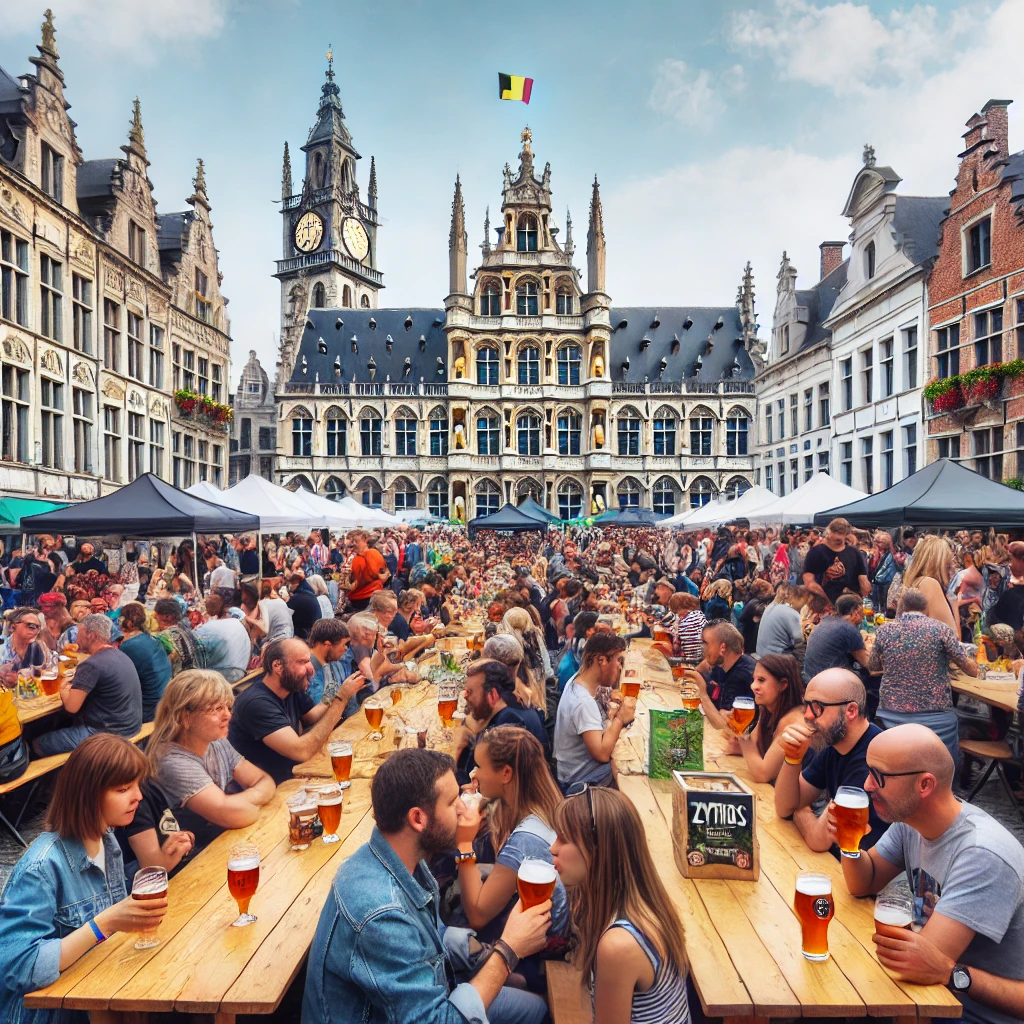
Borefts Beer Festival (Bodegraven, Netherlands)

Overview and Experience:

The Borefts Beer Festival is one of Europe’s most respected and highly anticipated beer events, hosted by Brouwerij De Molen in the small Dutch town of Bodegraven. Despite its relatively modest size, this festival attracts beer aficionados from around the world, drawn by its focus on creativity, innovation, and world-class craft brews. Held annually in late September, Borefts brings together an eclectic mix of international breweries, many of which debut special or limited-edition beers exclusively for the festival.

Set within the brewery and its surrounding grounds, the festival offers a relaxed, intimate atmosphere, where visitors can engage directly with brewers, sample unique creations, and enjoy the picturesque Dutch countryside. The event is known for its dedication to showcasing rare and experimental beers, and attendees often find themselves tasting unusual, boundary-pushing brews that challenge traditional beer styles.

The small-town setting of Bodegraven adds to the festival’s charm, with the local brewery, bars, and restaurants coming together to create a weekend of celebration. Unlike larger, more commercial beer festivals, Borefts maintains an independent, craft-oriented vibe, where quality, innovation, and experimentation take center stage.

The Beer Experience:

Borefts is a festival for the adventurous beer lover, with a focus on rare, experimental, and small-batch beers. Many of the participating breweries bring exclusive brews that are only available at the festival, giving attendees the chance to taste something truly special. The event often includes a theme, such as barrel-aged beers, collaborations, or wild ales, which guides many of the offerings.

Some of the standout beer styles at Borefts include:

Barrel-aged Beers: Many breweries showcase their barrel-aged creations at Borefts, with beers aged in whiskey, wine, or rum barrels for months or even years. These beers develop deep, complex flavors of oak, vanilla, and caramel, often with higher alcohol content.

Sour Ales and Wild Fermentation: Wild ales, including lambics, gueuze, and other sour beer styles, are popular at the festival. These beers are often brewed with wild yeast strains, giving them a funky, tart character that appeals to those who enjoy bold, acidic flavors.

Imperial Stouts and Porters: For fans of dark beers, Borefts offers a range of rich, roasty imperial stouts and porters. These beers are often brewed with additions like coffee, chocolate, or spices, adding layers of flavor to their robust malt profiles.

Experimental Brews: One of the most exciting aspects of Borefts is the chance to try experimental beers that push the boundaries of brewing. You’ll find beers brewed with unusual ingredients like seaweed, smoked fruit, or even hot peppers, providing a truly unique tasting experience.

The Food Experience:

While beer is the star of the show, Borefts Beer Festival also offers a carefully curated selection of food to complement the brews. Local food trucks and vendors serve up hearty, flavorful dishes that pair perfectly with the beers on offer.

Dutch Cheese and Charcuterie: Local vendors provide a selection of artisanal Dutch cheeses and cured meats, which are perfect for pairing with barrel-aged stouts or hoppy IPAs.

Barbecue: Slow-cooked BBQ meats, including ribs, pulled pork, and brisket, are a popular option at the festival. The smoky, savory flavors of the BBQ are a great match for imperial stouts and dark ales.

Seafood: Being in the Netherlands, seafood plays a role in the festival’s food offerings. Grilled fish and seafood stews are served alongside lighter, crisp beers like pilsners or Belgian blonde ales.

Sweet Treats: For dessert, attendees can indulge in Dutch specialties like stroopwafels (thin waffle cookies with caramel syrup) or apple pastries, which pair nicely with a rich, malty beer like a barleywine.

Why Borefts Beer Festival is Unique:

Borefts Beer Festival stands out for its focus on creativity and innovation. Many of the beers at Borefts are one-of-a-kind creations, brewed specifically for the festival or as part of a limited release. The event is less about mainstream beer styles and more about pushing the boundaries of what beer can be. This makes it a haven for beer enthusiasts looking to try something different, whether it’s a barrel-aged sour or a smoked imperial stout.

The festival’s intimate setting also contributes to its unique appeal. Unlike larger, more commercial beer festivals, Borefts feels personal and community-driven. Visitors have the chance to meet and chat with brewers, learning more about the inspiration behind each beer. The festival’s commitment to showcasing high-quality, small-batch brews makes it a must-visit for serious beer lovers.

Beer & Food Attraction (Rimini, Italy)

Overview and Experience:

Held in the picturesque coastal city of Rimini, Italy, Beer & Food Attraction is a unique festival that combines craft beer, gourmet food, and hospitality. Organized in February, the event is an international gathering that not only celebrates Italy’s emerging craft beer scene but also focuses on food pairings and culinary excellence. While beer remains the focal point, the festival also shines a spotlight on Italy’s renowned food culture, making it a must-attend event for beer and food lovers alike.

Taking place at the Rimini Expo Centre, the festival brings together brewers, chefs, restaurateurs, and food enthusiasts from all over Europe. With a diverse selection of Italian and international beers on offer, alongside expertly curated food pairings, the event offers a complete sensory experience that goes beyond the typical beer festival.

The atmosphere is lively and sophisticated, with attendees engaging in tastings, cooking demonstrations, and food-pairing workshops. The focus on gourmet food elevates the event, making it as much about gastronomy as it is about craft beer. Whether you’re sampling a crisp pilsner with a slice of artisanal pizza or enjoying a rich stout alongside a plate of chocolate truffles, Beer & Food Attraction delivers an unforgettable experience.

The Beer Experience:

Beer & Food Attraction showcases a wide variety of beer styles, with an emphasis on both Italian craft brewers and international selections. Italy’s craft beer scene has been growing rapidly, and the festival offers a chance to explore the creativity and innovation of Italian brewers.

Some of the key beer styles you’ll encounter include:

Italian Craft Beers: Italy’s craft brewers are known for their innovative approach to beer, often incorporating local ingredients like wild herbs, citrus, and chestnuts into their brews. Look out for Italian pale ales, spiced saisons, and barrel-aged stouts.

Pilsners and Lagers: Given Italy’s strong tradition of food pairing, many of the beers on offer are light and refreshing, making them perfect for pairing with rich Italian dishes. You’ll find plenty of crisp pilsners, helles lagers, and Italian-style lagers.

Belgian and German Imports: The festival also features a strong selection of Belgian and German beers, including dubbel, tripel, Weissbier, and dunkel. These classic European styles offer a contrast to the more experimental Italian craft beers.

Specialty and Experimental Beers: Italian brewers are known for pushing the boundaries, and Beer & Food Attraction is the perfect place to discover unique, experimental brews. Whether it’s a beer brewed with truffles or one aged in wine barrels, there’s no shortage of innovative creations.

In addition to the beer offerings, the festival hosts a variety of workshops and seminars focused on beer education. Attendees can learn about brewing techniques, flavor profiles, and how to expertly pair beer with food, making the event both a sensory experience and an educational one.

The Food Experience:

As the name suggests, food is a central component of Beer & Food Attraction. The festival features top-tier chefs and restaurateurs showcasing their culinary skills, with a focus on traditional Italian cuisine as well as international dishes. Every food stall and vendor at the event is carefully selected to ensure that their offerings complement the beers on display.

Some of the standout food options include:

Pizza: Italy’s most famous export, pizza is a festival staple. Many vendors offer gourmet pizzas made with artisanal ingredients like buffalo mozzarella, prosciutto, and truffle oil. Pairing a crisp lager or a pale ale with a fresh slice of pizza is a must at the festival.

Charcuterie: Italy is known for its cured meats, and the festival offers plenty of charcuterie platters featuring prosciutto, salami, and coppa. These rich, flavorful meats pair beautifully with malty ales and robust stouts.

Seafood: Rimini’s coastal location means that fresh seafood is a highlight of the festival. From grilled prawns to fritto misto (fried mixed seafood), the seafood dishes on offer are perfect for pairing with a crisp pilsner or a dry white ale.

Pasta Dishes: Italy’s pasta is celebrated worldwide, and the festival features several stalls offering freshly made pasta dishes. Whether it’s a simple spaghetti aglio e olio or a decadent ravioli with truffle cream, there’s a pasta dish to pair with every beer style.

Desserts: The festival also features an array of desserts, including tiramisu, cannoli, and chocolate truffles. These sweet treats are a perfect match for rich, dessert-inspired beers like chocolate stouts and coffee porters.

The emphasis on quality and craftsmanship in the food offerings mirrors the festival’s approach to beer. Every dish is designed to complement the beers available, creating a harmonious balance between food and drink.

Why Beer & Food Attraction is Unique:

Beer & Food Attraction is unique in its focus on pairing gourmet food with craft beer, elevating the festival experience beyond the typical beer tasting event. While many beer festivals offer food, Beer & Food Attraction places equal emphasis on both, ensuring that every bite is as carefully crafted as every beer.

The event is also a reflection of Italy’s growing craft beer scene. While Italy is best known for its wine, the country’s craft brewers are making a name for themselves by producing innovative, high-quality beers that draw on Italy’s rich culinary traditions. The festival offers a chance to experience the best of Italian beer and food in one place, while also exploring international flavors.

The Brussels Beer Weekend (Brussels, Belgium)

Overview and Experience:

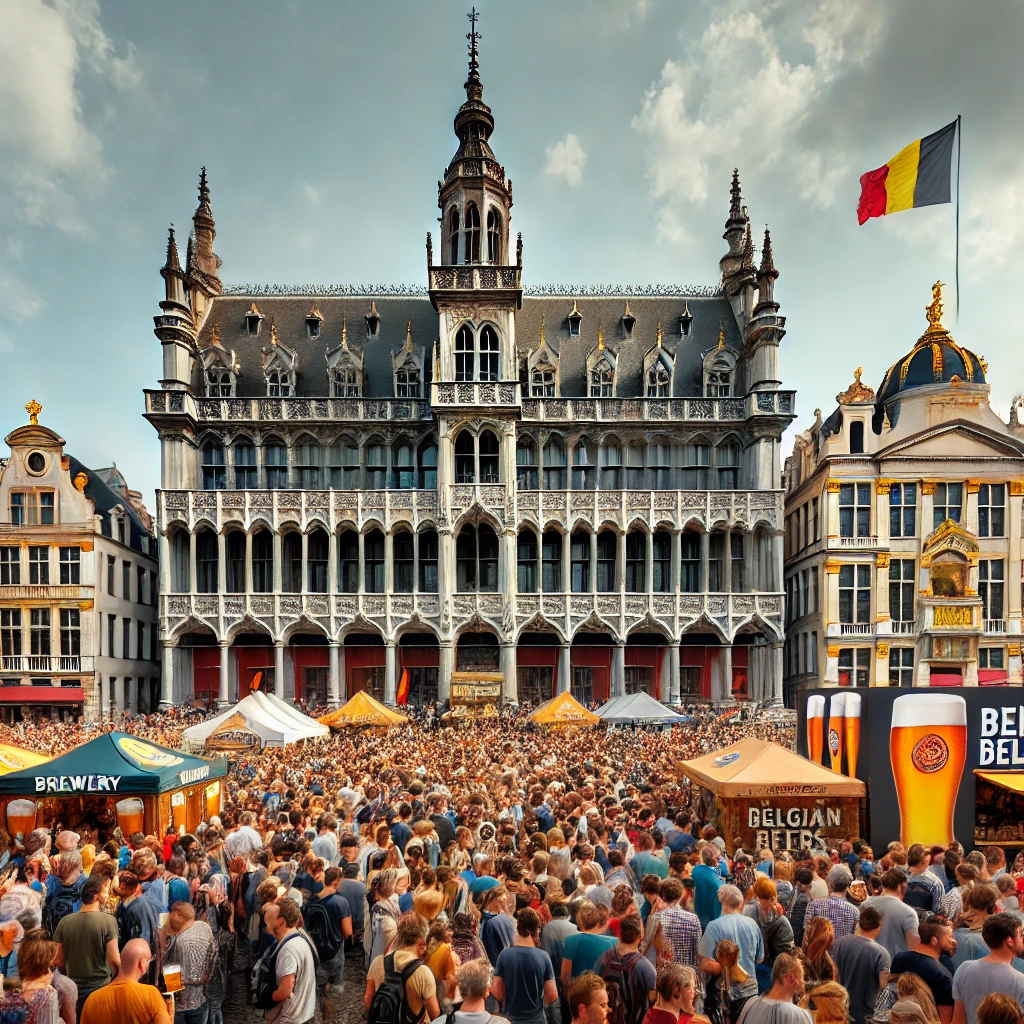
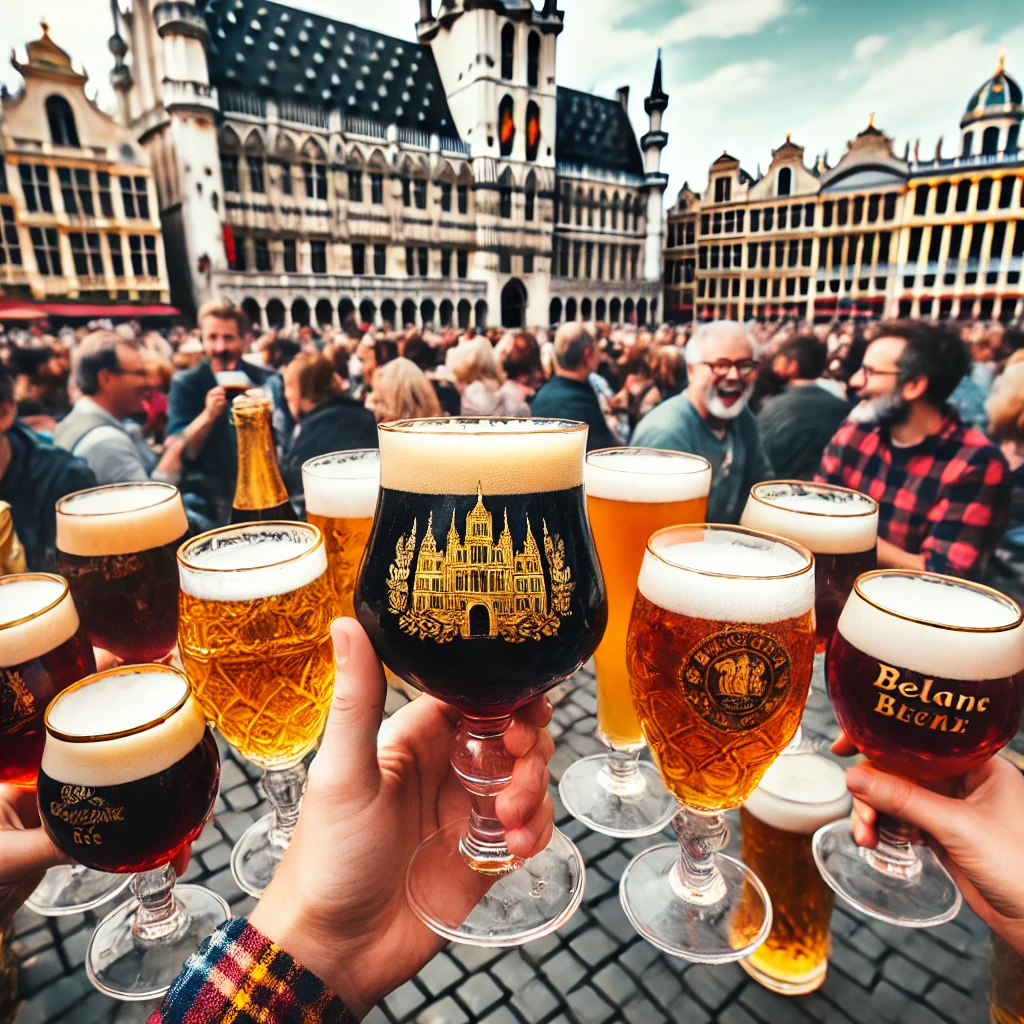
Held annually in the heart of Belgium, the Brussels Beer Weekend is one of Europe’s most renowned beer festivals, offering attendees a chance to experience Belgium’s rich beer culture in the country’s capital city. Hosted in the picturesque Grand Place, a UNESCO World Heritage site, this festival brings together beer lovers from around the globe who are eager to taste some of the finest brews Belgium has to offer.

Belgium is widely regarded as one of the greatest beer-producing countries in the world, and this festival serves as a tribute to the country’s centuries-old brewing traditions. With over 50 Belgian breweries represented, the Brussels Beer Weekend features a vast array of beer styles, from classic Trappist ales and lambics to more modern craft beer innovations. The festival is free to enter, and attendees purchase beer tokens, allowing them to sample beers from both well-established breweries and smaller, artisanal producers.

The setting of the Grand Place, with its ornate guildhalls and historic architecture, provides a stunning backdrop for the festivities. The atmosphere is lively, with brass bands playing traditional Belgian music, costumed brewers parading through the square, and beer lovers mingling and discussing their favorite brews. Despite its festive nature, Brussels Beer Weekend retains a sense of elegance, as befitting its location in the capital of European beer.

The Beer Experience:

Belgium is known for its wide range of beer styles, many of which are unique to the country. Brussels Beer Weekend offers an opportunity to taste these diverse styles, from traditional Trappist ales brewed by monks to innovative brews from up-and-coming craft breweries. Some of the key beer styles featured at the festival include:

Trappist Ales: Brewed by monks in Trappist monasteries, these beers are among the most revered in the world. Styles include:
    Dubbel: A dark, malty beer with rich flavors of caramel and dark fruit.
    Tripel: A strong, golden ale with fruity and spicy notes, often featuring a dry finish.
    Quadrupel: The strongest and richest of the Trappist beers, with deep, complex flavors of dark fruit, toffee, and spices.

Lambics: Unique to Belgium, lambics are spontaneously fermented beers with a sour, funky character. You’ll find traditional lambics, gueuze (a blend of young and old lambics), and fruit lambics like kriek (cherry) and framboise (raspberry).

Saisons: Originally brewed in the Wallonia region, saisons are farmhouse ales with a dry, fruity character. They are refreshing and often have a slightly spicy, peppery flavor.

Belgian Strong Ales: These beers are known for their high alcohol content and complex flavors. Whether light or dark, they tend to be full-bodied with rich, malty profiles and fruity esters. Duvel, one of the most famous Belgian strong ales, is often a crowd favorite at the festival.

Witbier: A Belgian-style wheat beer brewed with spices like coriander and orange peel. Witbiers are light, hazy, and refreshing, perfect for warm afternoons in the Grand Place.

The festival is an excellent opportunity to try beers that are rarely found outside Belgium, including those from small, independent brewers. Many of the breweries offer special releases or limited-edition beers exclusively for the festival, making it a must-visit event for beer enthusiasts.

The Food Experience:

Belgian food is as celebrated as its beer, and the Brussels Beer Weekend features an array of local dishes that pair perfectly with the brews on offer. Food stalls around the square offer everything from savory snacks to indulgent sweets, giving festival-goers plenty of options to satisfy their cravings.

Some of the standout food offerings include:

Moules-frites: One of Belgium’s most famous dishes, this combination of steamed mussels and crispy fries is a perfect match for a cold Belgian blonde ale or a dry saison.

Belgian Waffles: These light, fluffy waffles, served with toppings like powdered sugar, whipped cream, or fresh fruit, are a festival favorite. They pair wonderfully with fruit lambics or a sweet Belgian tripel.

Cheese and Charcuterie Platters: Belgium produces some excellent cheeses, many of which are offered at the festival alongside cured meats. Pair a creamy Brie de Meaux or a sharp Chimay cheese with a malty dubbel or quadrupel for a delicious treat.

Frites with Mayo: Belgium is known for its fries, and no visit to Brussels is complete without trying frites served in paper cones with a side of mayonnaise or other dipping sauces.

Speculoos Cookies: A traditional Belgian spiced shortcrust biscuit, speculoos is often enjoyed with a cup of coffee or as a snack to complement the beer. These cookies have warm flavors of cinnamon and nutmeg, making them a delightful pairing with dark, malty ales.

Why Brussels Beer Weekend is Unique:

What makes the Brussels Beer Weekend truly special is its celebration of Belgian beer culture in the country’s capital. Belgium is home to some of the world’s most iconic beer styles, and the festival offers a rare opportunity to experience them in their home country. The presence of so many Trappist breweries, alongside lambic producers and modern craft brewers, makes this festival a must-visit for anyone serious about beer.

The festival’s location in the Grand Place adds to its allure. The historic square, with its Gothic and Baroque buildings, provides a breathtaking setting for the festivities. It’s a place where tradition and modernity coexist, and this is reflected in the beers on offer. Whether you’re sipping a centuries-old Trappist ale or trying a new experimental brew from a Belgian microbrewery, you’re surrounded by history and culture.

The event is also notable for its accessibility—while it draws beer enthusiasts from around the world, it remains a welcoming and inclusive festival that caters to all levels of beer knowledge. Whether you’re a seasoned connoisseur or a casual drinker, there’s something to enjoy at the Brussels Beer Weekend.

Copenhagen Beer Celebration (Copenhagen, Denmark)

Overview and Experience:

The Copenhagen Beer Celebration (CBC), organized by the acclaimed Danish brewery Mikkeller, is a must-visit event for craft beer enthusiasts seeking cutting-edge brews and an international atmosphere. Held annually in the vibrant city of Copenhagen, usually in May, the festival has gained a reputation for showcasing some of the most innovative and sought-after breweries from around the world.

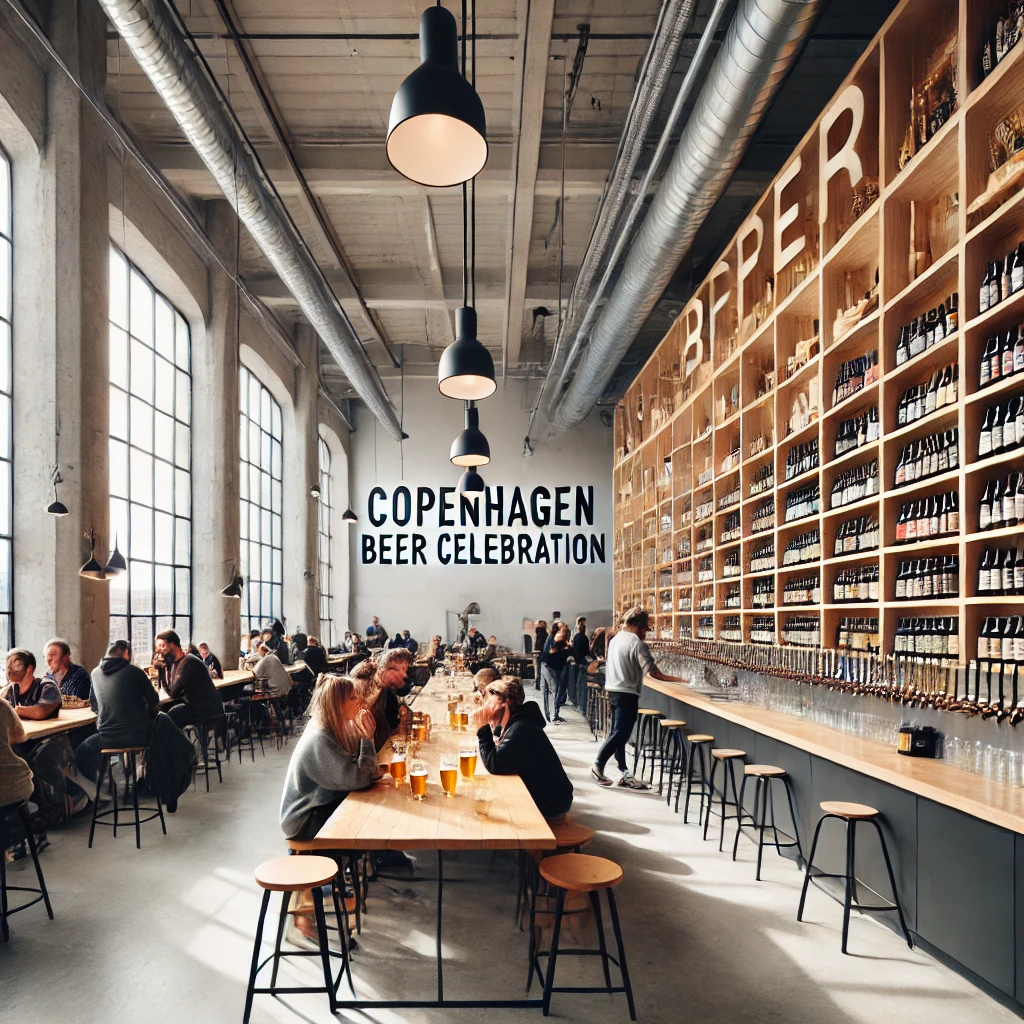
Set in the Øksnehallen, a historic exhibition hall in the trendy Vesterbro district, the festival combines the industrial charm of the venue with the modern flair of the craft beer scene. The ambiance is energetic and cosmopolitan, reflecting Copenhagen’s status as a hub for contemporary culture and gastronomy. Attendees are a mix of locals and international visitors, all united by a shared passion for exceptional beer.

One of the defining features of CBC is its focus on quality over quantity. The festival offers multiple sessions over two days, each with a limited number of tickets to ensure an intimate and enjoyable experience. This approach allows attendees to engage directly with brewers, ask questions, and savor the beers without feeling rushed or overcrowded.

The Beer Experience:

Copenhagen Beer Celebration is renowned for its stellar lineup of breweries, handpicked by Mikkeller for their innovation and excellence. The festival features around 100 breweries from across the globe, many of which are considered pioneers in the craft beer industry. The selection is diverse, covering a wide range of styles and flavors that cater to both traditional tastes and adventurous palates.

Expect to encounter an array of beer styles, such as:

Imperial Stouts and Porters: Rich, velvety, and often infused with adjuncts like coffee, vanilla, cocoa nibs, or chili peppers. These beers are typically high in alcohol content and offer complex layers of flavor.

Barrel-Aged Beers: Beers aged in barrels previously used for spirits like bourbon, whiskey, or rum. The aging process imparts notes of oak, vanilla, and spices, creating a depth of flavor that's highly prized among aficionados.

Sour and Wild Ales: Utilizing wild yeast strains and bacteria, these beers range from tart and fruity to funky and earthy. Fruit additions like berries, stone fruits, or tropical fruits are common, adding brightness and complexity.

Hazy IPAs and Double IPAs: Showcasing the latest trends in hop-forward beers, these styles are characterized by their juicy, tropical fruit flavors, low bitterness, and cloudy appearance.

Experimental and Specialty Brews: Many breweries debut exclusive or one-off beers at CBC, often pushing the boundaries with unusual ingredients like tea leaves, herbs, spices, or even savory elements like oysters or seaweed.

A notable aspect of the festival is the presence of the brewers themselves. This provides a unique opportunity to engage with the creators of the beers, gain insights into their brewing philosophies, and learn about the inspiration behind their creations.

The Food Experience:

Complementing the exceptional beer selection, Copenhagen Beer Celebration offers a curated food lineup featuring some of the city’s top culinary talents. The focus is on high-quality, artisanal foods that highlight Nordic cuisine and pair well with the diverse range of beers.

Gourmet Street Food: Vendors offer elevated takes on street food classics, such as gourmet hot dogs with innovative toppings, artisanal burgers made with organic, locally sourced ingredients, and open-faced sandwiches known as smørrebrød.

Seafood Delights: Given Denmark's coastal location, fresh seafood is a highlight. Enjoy dishes like pickled herring, smoked salmon, or shrimp salads, which pair wonderfully with crisp pilsners or tart sour ales.

Cheese and Charcuterie Boards: Sample a selection of Scandinavian cheeses and cured meats, accompanied by artisanal bread and condiments. These make excellent companions to a variety of beer styles.

Vegetarian and Vegan Options: The festival caters to all dietary preferences, with offerings like falafel wraps, grilled vegetables, and plant-based dishes that don't compromise on flavor.

Sweet Treats: Indulge your sweet tooth with Danish pastries, chocolate confections, or innovative desserts that incorporate beer as an ingredient.

The emphasis on quality and craftsmanship in the food offerings mirrors the festival’s approach to beer. Just as the brewers at BeerFes Tokyo push the boundaries of flavor and innovation, the food vendors take pride in offering dishes that complement and enhance the beer experience. Every bite is crafted with the same level of care that goes into brewing the beers, making for a cohesive, elevated festival experience.

The festival’s food and beer pairings allow attendees to explore not only the diverse range of beers available but also how those beers interact with different flavors and textures in food. Whether you’re trying traditional Japanese street food or more experimental offerings, the culinary side of BeerFes Tokyo is just as integral to the festival as the beer itself.

Tallinn Craft Beer Weekend (Tallinn, Estonia)

Overview and Experience:

Tallinn Craft Beer Weekend (TCBW) is the largest craft beer festival in the Baltics, and it has quickly earned a reputation as one of the best beer festivals in Northern Europe. Hosted annually in the Estonian capital, Tallinn, this event brings together beer lovers and brewers from around the world to celebrate craft beer in a city that is rapidly becoming a hub for beer innovation. The festival is held over two days at Kultuurikatel, a former power plant turned cultural center, offering a striking industrial setting for the festivities.

TCBW is known for its intimate, high-quality approach. Unlike some larger beer festivals, Tallinn Craft Beer Weekend focuses on a carefully curated selection of breweries, ensuring that each participant represents the pinnacle of craft brewing. With over 50 breweries from more than 20 countries, the festival offers an impressive lineup of both established and emerging brewers, each pouring rare and exclusive beers that are often unavailable anywhere else.

The festival attracts a diverse, international crowd, with beer enthusiasts traveling from all over Europe and beyond to experience Tallinn’s burgeoning craft beer scene. The atmosphere is lively but laid-back, with plenty of opportunities to chat with brewers, discover new beer styles, and soak in the unique cultural backdrop of the Estonian capital.

The Beer Experience:

Tallinn Craft Beer Weekend is a paradise for beer geeks and adventurers alike, offering a wide range of styles, from traditional lagers and stouts to experimental brews that push the boundaries of brewing. Many of the participating breweries bring special releases, collaborations, and limited-edition beers to the festival, giving attendees the chance to try something truly unique.

Some of the standout beer styles at TCBW include:

Baltic Porters: A regional specialty, Baltic porters are rich, malty beers with flavors of dark chocolate, coffee, and caramel. These strong, smooth beers are often aged, resulting in a complex, layered drinking experience.

Sour Ales and Goses: Sour beer fans will find plenty to love at TCBW, with many breweries showcasing their sour ales, including fruited sours, Berliner Weisses, and salty, tart goses. These beers offer a refreshing contrast to the darker, malt-forward brews.

New England IPAs: Like many craft beer festivals, TCBW features a strong selection of hop-forward New England IPAs (NEIPAs), known for their juicy, tropical flavors and hazy appearance. These beers are popular among festival-goers for their fruity, aromatic profiles.

Imperial Stouts: For those who enjoy strong, bold flavors, TCBW offers a range of imperial stouts, often brewed with adjuncts like coffee, vanilla, or chili peppers. These beers are rich, heavy, and perfect for sipping slowly while discussing their intricate flavor profiles with fellow attendees.

Wild and Barrel-Aged Beers: Many breweries at TCBW experiment with wild fermentation and barrel aging, creating beers with funky, earthy, and sometimes sour characteristics. Barrel-aged beers, in particular, offer complex layers of flavor, often influenced by the type of barrels used, whether bourbon, rum, or wine.

The Food Experience:

Tallinn Craft Beer Weekend takes its food offerings seriously, with an emphasis on high-quality, local cuisine that complements the diverse range of beers on offer. The festival works with local food vendors and restaurants to provide a wide selection of dishes that pair beautifully with the beers being poured.

Estonian Street Food: Local street food vendors offer a range of dishes, including grilled sausages, pork ribs, and potato pancakes. These hearty, savory dishes are perfect for pairing with the rich, malty beers that dominate the festival lineup.

Smoked Fish: Given Tallinn’s location on the Baltic Sea, seafood plays a key role in the festival’s food offerings. Smoked fish, particularly herring and salmon, is a popular choice, and it pairs wonderfully with lighter, citrusy beers like pilsners or wheat ales.

Nordic-Inspired Dishes: In keeping with the festival’s Baltic location, many of the food vendors offer Nordic-inspired dishes, such as open-faced sandwiches with cured meats and pickled vegetables. These dishes are light, flavorful, and ideal for pairing with the festival’s sour ales or hoppy IPAs.

Artisanal Cheeses: Local cheesemakers provide artisanal cheese platters that can be paired with a variety of beers, from pale ales to stouts. The richness of the cheese complements the depth of flavor in many of the darker, barrel-aged beers at the festival.

Why Tallinn Craft Beer Weekend is Unique:

Tallinn Craft Beer Weekend is unique for its intimate scale and carefully curated selection of beers. Unlike larger festivals where the sheer number of breweries and attendees can be overwhelming, TCBW takes a more focused approach, inviting only the best breweries from around the world. This means that every beer you try at the festival is likely to be of exceptional quality, and many of the beers on offer are brewed specifically for the event.

The festival’s location in Tallinn adds to its charm. The city’s historic architecture, combined with its burgeoning creative scene, provides a perfect backdrop for the festival. Visitors can explore Tallinn’s medieval old town, take in its vibrant cultural offerings, and enjoy the city’s burgeoning craft beer scene, all within the span of a weekend.

Tallinn Craft Beer Weekend also emphasizes collaboration and innovation, with many of the participating breweries teaming up to create unique beers just for the event. This spirit of experimentation and camaraderie is reflected in the festival’s relaxed, community-focused atmosphere, where brewers and beer lovers come together to celebrate their shared passion for craft beer.

Zythos Beer Festival (Leuven, Belgium)

Overview and Experience:

The Zythos Beer Festival is one of Belgium’s most beloved beer festivals, celebrated as a comprehensive showcase of Belgian beer craftsmanship. Held annually in the picturesque city of Leuven, just east of Brussels, the festival draws both locals and international visitors eager to explore Belgium’s exceptional brewing heritage. It’s a festival that pays tribute to the deep-rooted beer culture that Belgium is known for, where beer is not just a beverage but a cultural treasure.

Zythos Beer Festival takes place in the massive Brabanthal Event Hall, which is transformed into a beer paradise for two days every spring. With over 100 Belgian breweries represented and more than 500 beers available for tasting, the event offers an unparalleled opportunity to experience the depth and variety of Belgian brewing. From renowned Trappist ales and abbey beers to lesser-known artisanal brews, Zythos showcases the best of what Belgium has to offer.

The atmosphere at Zythos is lively yet relaxed. It’s not as raucous as some beer festivals but more focused on the appreciation of the brewing craft. Visitors can stroll leisurely between booths, engaging in conversations with brewers, learning about different beer styles, and, of course, sampling a seemingly endless array of Belgian beers.

The Beer Experience:

Belgium is home to some of the world’s most iconic beer styles, and Zythos Beer Festival is a masterclass in Belgian brewing tradition. Whether you’re a fan of rich, malty ales or complex, fruity sours, you’ll find something to suit your taste at Zythos.

Here are some of the key beer styles you’ll encounter at the festival:

Trappist Beers: Trappist beers are brewed by monks in Trappist monasteries, and they are highly regarded for their quality and authenticity. You’ll find classic examples like Westmalle, Chimay, and Orval. Trappist beers come in a variety of styles, including:
    Dubbel: A dark, malty beer with notes of caramel, dark fruit, and spices.
    Tripel: A golden, strong ale with fruity esters, a dry finish, and higher alcohol content.
    Quadrupel: The richest and most intense of the Trappist styles, quadrupels are full-bodied, with deep flavors of dried fruit, molasses, and spice.

Saisons: Originally brewed in the Wallonia region, saisons are farmhouse ales known for their fruity, spicy, and slightly funky character. They are often dry and highly carbonated, making them refreshing and easy to drink. Look out for Saison Dupont, one of the most famous examples of the style.

Lambics and Gueuze: Belgium is known for its unique approach to spontaneous fermentation, and lambics and gueuze are the result of this process. Lambics are tart, funky beers often aged in wooden barrels, while Gueuze is a blend of young and old lambics, resulting in a sparkling, complex beer with a range of sour and earthy flavors. Try examples from Cantillon and Boon, two of Belgium’s most famous lambic producers.

Belgian Strong Dark Ales: These beers are known for their high alcohol content and rich, malty flavors. Often brewed with dark sugars or candy syrup, they can have notes of toffee, dried fruit, and chocolate. Rochefort 10 and St. Bernardus Abt 12 are classic examples of this style.

Witbier: A Belgian-style wheat beer brewed with spices like coriander and orange peel, Witbier is light, hazy, and refreshing, with a slightly sweet finish. It’s a great choice for a palate cleanser between stronger beers.

Flemish Red Ales: Known for their balance of sweet and sour flavors, Flemish red ales are aged in wooden barrels, developing complex notes of cherries, plums, and oak. Rodenbach is one of the most well-known producers of this style.

Zythos Beer Festival offers a unique opportunity to try beers from breweries that are hard to find outside of Belgium. Many of the smaller, artisanal brewers bring limited-edition or experimental beers, giving visitors a chance to sample something truly special. The festival also features rare and vintage beers, allowing attendees to taste the evolution of certain styles over time.

The Food Experience:

Belgium’s food culture is as rich and varied as its beer, and the Zythos Beer Festival provides plenty of options to satisfy your hunger. Throughout the event, food stalls and vendors offer a range of traditional Belgian dishes, perfect for pairing with the beers on offer.

Moules-frites: One of Belgium’s most famous dishes, moules-frites consists of steamed mussels served with crispy fries. The briny, sweet mussels pair wonderfully with a crisp Belgian blonde ale or a fruity saison.

Belgian Waffles: These light, crispy waffles are often topped with powdered sugar, whipped cream, or fresh fruit. They’re the perfect sweet treat to enjoy with a lambic or a fruity witbier.

Carbonnade Flamande: A rich beef stew made with dark Belgian beer, onions, and a touch of mustard, carbonnade flamande is hearty and flavorful. It pairs beautifully with a dark, malty ale like a dubbel or a quadrupel.

Frites: Belgian fries are famous for their crispy exterior and fluffy interior. Served in paper cones with a variety of sauces, they’re an ideal snack to enjoy while sipping a beer. Try them with mayonnaise or Andalouse sauce—a tangy mix of mayo, tomato paste, and peppers.

Cheese Platters: Belgium is home to some excellent cheeses, and many of the food vendors offer cheese platters featuring local varieties like Chimay or Passendale. Pair these with a strong Belgian ale or a fruity lambic for a delightful combination of flavors.

Why Zythos Beer Festival is Unique:

Zythos stands out among beer festivals because it focuses entirely on Belgian beer, showcasing the country’s rich brewing heritage. Belgium is often considered the “beer capital of the world,” and Zythos is a celebration of that legacy. The festival provides a comprehensive overview of Belgian brewing, from the centuries-old Trappist breweries to the modern, experimental brewers who are pushing the boundaries of beer.

What makes Zythos truly special is the opportunity to meet the brewers themselves. Many of the breweries, especially the smaller, independent ones, are staffed by the brewers who crafted the beers. They’re more than happy to discuss their brewing techniques, the history behind their beers, and offer recommendations based on your preferences. It’s an educational and immersive experience that gives you a deeper appreciation for Belgian beer.

Another unique aspect of Zythos is its relaxed, welcoming atmosphere. While it’s a large festival, it doesn’t feel overly commercialized or crowded. The focus is on enjoying great beer, learning about Belgian brewing, and sharing the experience with fellow beer lovers.

Pro Tips for First-Time Attendees:

Pace yourself: Belgian beers are often higher in alcohol than other styles, so it’s important to pace yourself. Start with lighter beers like witbiers or pilsners, and gradually work your way up to stronger ales like tripels or quadrupels.

Bring cash: While some vendors accept cards, it’s a good idea to bring cash for food and beer tokens. This will save you time and make transactions easier.

Use the tasting glass: Zythos provides each attendee with a small tasting glass, which allows you to sample beers without overindulging. Stick to smaller pours, especially for higher ABV beers, so you can try more without feeling overwhelmed.

Talk to the brewers: Take advantage of the opportunity to meet the brewers and learn about their beers. They’re often happy to share their knowledge and recommend beers based on your preferences.

Explore Leuven: Leuven is a beautiful city with a rich history, and it’s worth taking some time to explore. Visit the Stella Artois Brewery, stroll through the Old Market Square, or take a tour of the city’s historic university buildings.

Zythos Beer Festival is a must-visit event for anyone who loves Belgian beer. It offers an unparalleled opportunity to sample a wide range of styles, from classic Trappist ales to innovative, experimental brews. The festival’s focus on education, community, and the craft of brewing makes it a truly special experience for beer lovers. Whether you’re sipping on a lambic in the Brabanthal or enjoying a plate of moules-frites in the sunshine, Zythos is a celebration of Belgium’s extraordinary beer culture.

Berlin Beer Week

Berlin Beer Week is a city-wide celebration of craft beer, held every summer in Germany’s vibrant capital. Unlike traditional beer festivals that take place in a single location, Berlin Beer Week spans multiple venues across the city, including breweries, beer bars, restaurants, and pop-up events. This decentralized format allows visitors to explore Berlin’s diverse neighborhoods while enjoying a range of beer styles and events.

The festival lasts for 10 days, with over 100 participating venues offering tastings, brewery tours, beer-pairing dinners, and special releases. Berlin’s craft beer scene has exploded in recent years, and Berlin Beer Week serves as a showcase for both local and international breweries. The event attracts beer enthusiasts from around the world, drawn by the opportunity to sample rare and experimental beers in one of Europe’s most dynamic cities.

Whether you’re attending a tap takeover at one of Berlin’s top craft beer bars, visiting a local brewery for a behind-the-scenes tour, or enjoying a beer-and-food pairing dinner at a Michelin-starred restaurant, Berlin Beer Week offers something for everyone. The festival’s open, inclusive atmosphere reflects the city’s creative spirit, making it one of the most exciting beer events in Europe.

The Beer Experience:

Berlin Beer Week features a wide variety of beer styles, from traditional German lagers and wheat beers to modern craft creations. The city’s local breweries take center stage, but the event also attracts international brewers from across Europe, the United States, and beyond. Each participating venue offers its own unique selection of beers, often featuring limited-edition releases brewed specifically for the festival.

Some of the key beer styles include:

Berliner Weisse: Berlin’s signature beer style, Berliner Weisse is a low-alcohol, tart wheat beer that’s often served with flavored syrups like raspberry or woodruff. It’s a refreshing choice for a summer day, and many local breweries put their own twist on this classic style.

German Lagers: No beer festival in Germany would be complete without a range of classic German lagers. From crisp pilsners to malty helles and Dunkel lagers, Berlin Beer Week offers plenty of traditional options for those who prefer lighter, easy-drinking beers.

Craft IPAs and Pale Ales: Berlin’s craft beer scene has embraced the global trend of hop-forward beers, and you’ll find a wide selection of IPAs and pale ales at the festival. These beers often feature bold flavors of tropical fruit, citrus, and pine, with varying levels of bitterness.

Sours and Wild Ales: Sour beers have become increasingly popular in Berlin, and many of the city’s breweries experiment with wild yeast strains and fruit additions to create complex, tart ales. Look out for fruited sours, barrel-aged wild ales, and collaborations with international sour beer producers.

Experimental Brews: Berlin Beer Week is a time for brewers to get creative, and many of the beers available during the festival are one-off creations or experimental brews. Whether it’s a beer brewed with exotic spices, aged in unusual barrels, or fermented with wild yeast, there’s always something new to discover.

The Food Experience:

Berlin’s food scene is as diverse and eclectic as its beer offerings, and Berlin Beer Week embraces this by offering a wide range of food-pairing events. From street food markets to gourmet beer dinners, the festival provides plenty of opportunities to explore the city’s culinary delights.

Currywurst: No visit to Berlin is complete without trying currywurst, a beloved street food consisting of sliced sausage topped with curry ketchup and served with fries. Pair this spicy, tangy dish with a crisp pilsner or a fruity pale ale.

Schnitzel: Another German classic, schnitzel is a breaded and fried cutlet, often served with potato salad or fries. It pairs wonderfully with a malty helles or a light wheat beer.

Street Food Markets: Many of Berlin Beer Week’s events take place at street food markets, where visitors can sample a variety of international cuisines. From Korean BBQ to vegan burgers, there’s something for every palate.

Beer-Pairing Dinners: For a more upscale experience, many of the city’s top restaurants host beer-pairing dinners during the festival. These multi-course meals feature dishes that are expertly paired with craft beers, offering a gourmet twist on the traditional beer festival experience.

Why Berlin Beer Week is Unique:

Berlin Beer Week stands out for its decentralized format, which allows visitors to experience the city while enjoying the festival. Rather than being confined to a single location, the event takes place across Berlin’s many breweries, beer bars, and restaurants, encouraging attendees to explore different neighborhoods and venues. This makes the experience more dynamic and immersive, as it combines the excitement of a beer festival with the unique charm of Berlin’s diverse neighborhoods. You’ll get to see everything from trendy, modern craft beer bars in Kreuzberg to historic, traditional breweries in Mitte.

Another aspect that makes Berlin Beer Week unique is its emphasis on creativity and experimentation. Many of the beers available during the festival are special releases, brewed specifically for the event, giving visitors the opportunity to try beers that are truly one-of-a-kind. The festival’s collaborative spirit is also reflected in the number of international breweries that participate, often teaming up with local brewers to create limited-edition beers that blend styles and techniques from different brewing traditions.

Berlin Beer Week also caters to a wide range of tastes and experiences. Whether you’re a casual beer drinker looking to explore the city’s beer gardens or a serious beer aficionado interested in deep-diving into brewing techniques and flavors, the festival offers something for everyone. Educational events, like brewing workshops and beer-tasting seminars, are also part of the lineup, making the festival not just a celebration but an opportunity to learn.

Barcelona Beer Festival (Barcelona, Spain)

Overview and Experience:

The Barcelona Beer Festival is Spain’s largest craft beer event, and it takes place every March in one of Europe’s most vibrant and cosmopolitan cities. The festival is held at the La Farga Centre d’Activitats, a modern venue located just outside the city center, and it brings together brewers, beer enthusiasts, and curious locals for three days of craft beer discovery.

Barcelona has quickly become a hub for craft beer in Southern Europe, with a growing number of breweries and beer bars popping up across the city. The Barcelona Beer Festival showcases this burgeoning scene, with a focus on Spanish craft beers, but it also features breweries from around the world. With over 500 beers on tap, the festival offers a dizzying array of styles, from classic lagers and pale ales to experimental sours and barrel-aged stouts.

The atmosphere at the festival is friendly and inclusive, with beer lovers of all ages (above 18!) coming together to share their passion for craft beer. Whether you’re a seasoned beer aficionado or someone who’s just beginning to explore the world of craft beer, the Barcelona Beer Festival has something for everyone.

The Beer Experience:

The Barcelona Beer Festival is a celebration of the diversity and creativity of the craft beer world. While Spanish breweries take center stage, the festival also attracts international brewers, giving attendees the chance to sample beers from across Europe and beyond.

Some of the beer styles you can expect to find at the Barcelona Beer Festival include:

Pale Ales and IPAs: These hop-forward beers are a staple of the craft beer world, and the Barcelona Beer Festival is no exception. Look out for juicy, hazy IPAs as well as more traditional West Coast-style pale ales.
Sours and Wild Ales: The festival features a wide range of sour beers, from tart Berliner weisses to funky, barrel-aged wild ales. These beers are perfect for those looking to explore more experimental flavors.
Porters and Stouts: Dark, rich, and full of flavor, porters and stouts are well-represented at the festival. Whether you’re into coffee-infused stouts or chocolatey porters, you’ll find plenty of options to satisfy your cravings.
Barrel-Aged Beers: Many breweries bring their barrel-aged creations to the festival, offering complex flavors of oak, vanilla, and bourbon. These beers are often higher in alcohol and perfect for sipping slowly.
Session Beers: For those looking to pace themselves, there are plenty of low-alcohol session beers available. These beers are light, refreshing, and designed for easy drinking.

In addition to the beers, the festival also hosts workshops, tastings, and panel discussions, giving attendees the chance to learn more about the brewing process, beer styles, and food pairings. Whether you’re interested in honing your palate or just want to try something new, the educational component of the festival adds an extra layer of depth to the experience.

The Food Experience:

No beer festival is complete without good food, and the Barcelona Beer Festival doesn’t disappoint. The event features a range of food vendors offering everything from traditional Spanish tapas to international street food. Some of the highlights include:

Paella: This iconic Spanish dish, made with saffron rice, seafood, and vegetables, is a festival favorite. The rich, savory flavors of the paella pair beautifully with a cold pale ale or lager.
Jamon Iberico: Thin slices of cured Iberian ham are a must-try at the festival. The salty, melt-in-your-mouth texture of the ham is a perfect match for a crisp pilsner or Belgian blonde ale.
Patatas Bravas: These crispy fried potatoes are served with a spicy tomato sauce and aioli, making them a great snack to enjoy between beers.
Cheese Boards: Spain is home to some excellent cheeses, and many vendors offer cheese boards featuring local varieties like Manchego, Mahon, and Idiazabal. Pair them with a fruity sour ale or a malty brown ale for a delicious combination.
Churros: For dessert, treat yourself to churros—fried dough sticks served with a side of chocolate dipping sauce. They’re sweet, crispy, and perfect for satisfying your sweet tooth after a day of drinking.

Why Barcelona Beer Festival is Unique:

The Barcelona Beer Festival stands out for its focus on Spanish craft beer. While Spain is known for its wine, the country’s craft beer scene has exploded in recent years, and the festival is a showcase of the best that Spanish brewers have to offer. The event also has an international flair, with brewers from around the world bringing their beers to Barcelona, making it a truly global beer festival.

What sets the Barcelona Beer Festival apart is its emphasis on education and community. The festival isn’t just about drinking beer—it’s about learning, sharing, and connecting with others who share your passion. Whether you’re attending a workshop on beer and food pairings or chatting with brewers about their latest creations, the festival offers plenty of opportunities to deepen your appreciation for craft beer.

Pro Tips for First-Time Attendees:

Use the tokens wisely: The festival operates on a token system, so it’s a good idea to plan your tastings ahead of time. Take a look at the beer list and decide which beers you want to prioritize, but don’t be afraid to try something new if it catches your eye.
Attend the workshops: The educational sessions at the Barcelona Beer Festival are a fantastic way to learn more about beer styles, brewing techniques, and food pairings. They’re also a great opportunity to meet brewers and other beer enthusiasts.
Explore the city: Barcelona is one of Europe’s most beautiful cities, and it’s worth taking some time to explore the sights while you’re in town. From the stunning architecture of the Sagrada Familia to the bustling streets of Las Ramblas, there’s plenty to see and do in Barcelona.

The Barcelona Beer Festival is a must-visit for craft beer lovers. With its diverse selection of beers, delicious food, and educational workshops, it’s a celebration of the creativity and passion that drives the craft beer movement. Whether you’re sampling the latest Spanish IPAs or enjoying a glass of sour ale from a Belgian brewery, the festival offers an unforgettable beer experience in one of Europe’s most exciting cities.

Pilsner Fest (Plzeň, Czech Republic)

Overview and Experience:

Pilsner Fest is a celebration of the birthplace of the world’s first pale lager, Pilsner Urquell, which originated in Plzeň (Pilsen), Czech Republic. Held annually in October, this festival commemorates the creation of the beer that would go on to define a style enjoyed globally—pilsner. Plzeň itself is a charming town with cobblestone streets, historical buildings, and an unmistakable beer culture.

As you enter the festival, the city transforms into a vibrant scene of festivities centered around beer, food, and history. The event takes place in the town square and at the famous Pilsner Urquell Brewery, which offers tours during the event, allowing you to explore the exact place where this iconic beer was first brewed in 1842.

Pilsner Fest attracts a mix of locals, tourists, and beer enthusiasts from around the world. The atmosphere is friendly, relaxed, and full of national pride, as the people of Plzeň celebrate their city’s contribution to the global beer scene. The festival features live music, historical reenactments, beer-themed games, and plenty of opportunities to sample a variety of Czech beers.

The Beer Experience:

At the heart of Pilsner Fest is the beer—specifically, Pilsner Urquell, which is still brewed in Plzeň to this day. Pilsner Urquell is the world’s first pale lager, and it has a distinctively crisp, refreshing flavor with a balanced bitterness from Saaz hops. It’s the gold standard for the pilsner style, and at Pilsner Fest, you’ll have the chance to taste it straight from the source.

While Pilsner Urquell is the star of the show, the festival also features a selection of other Czech lagers and beers. The Czech Republic is known for its lager brewing tradition, and you’ll find a range of beer styles, from pale lagers to dark lagers (known as Tmavé), which offer rich, malty flavors with a smooth finish.

Here are some of the beers you’ll likely encounter at Pilsner Fest:

Pilsner Urquell: The original pilsner, with a golden color, a crisp body, and a pronounced hop bitterness that lingers on the palate.
Gambrinus: Another famous Czech lager, Gambrinus is slightly lighter and more sessionable than Pilsner Urquell, making it perfect for an afternoon of drinking.
Kozel: Known for both its pale and dark lagers, Kozel is a popular Czech brewery offering well-balanced beers with caramel and roasted malt flavors.
Budvar (Czechvar): The national beer of the Czech Republic, Budvar is a pale lager with a subtle sweetness and a clean, refreshing finish.

What sets Pilsner Fest apart is the opportunity to taste unfiltered Pilsner Urquell, which is only available at the brewery. This version of the beer is cloudy, with a fuller body and more pronounced flavors of malt and hops, giving you a sense of what the beer might have tasted like when it was first brewed nearly two centuries ago.

The Food Experience:

Czech cuisine is hearty and flavorful, making it the perfect pairing for the country’s beloved lagers. Pilsner Fest features food vendors offering traditional Czech dishes, which are designed to complement the beer. Some of the must-try foods include:

Svíčková: A creamy, savory beef dish served with bread dumplings and cranberry sauce. The rich flavors of the beef and sauce pair beautifully with a cold pilsner.
Roast pork with dumplings and sauerkraut: This classic Czech dish is a festival favorite. The tanginess of the sauerkraut and the softness of the dumplings make it a great match for the crisp, refreshing qualities of a pilsner.
Grilled sausages (klobása): You’ll find vendors throughout the festival grilling sausages over open flames. Served with mustard and a slice of bread, these sausages are the perfect snack to enjoy with a beer in hand.
Fried cheese (smažený sýr): A popular Czech street food, fried cheese is exactly what it sounds like—deep-fried cheese served with tartar sauce. It’s a deliciously indulgent treat that pairs well with a lighter lager.
Potato pancakes (bramboráky): Crispy on the outside and soft on the inside, these savory pancakes are seasoned with garlic and marjoram and are often served with sour cream.

For dessert, try trdelník, a sweet pastry made from rolled dough, grilled over an open flame, and coated in sugar and cinnamon. It’s a tasty treat to finish off a day of drinking and celebrating.

Why Pilsner Fest is Unique:

Pilsner Fest stands out because it’s not just a beer festival—it’s a celebration of beer history. Pilsner Urquell is one of the most important beers ever brewed, as it inspired the creation of the pilsner style, which now accounts for the vast majority of beer consumed worldwide. The festival offers a chance to learn about the history of pilsner, visit the Pilsner Urquell Brewery, and taste the beer in its freshest, purest form.

The festival also has a strong sense of local pride. The people of Plzeň are proud of their brewing heritage, and Pilsner Fest is their way of sharing it with the world. The event feels authentic and grounded in tradition, making it a refreshing change from the more commercialized beer festivals you might encounter elsewhere.

Pro Tips for First-Time Attendees:

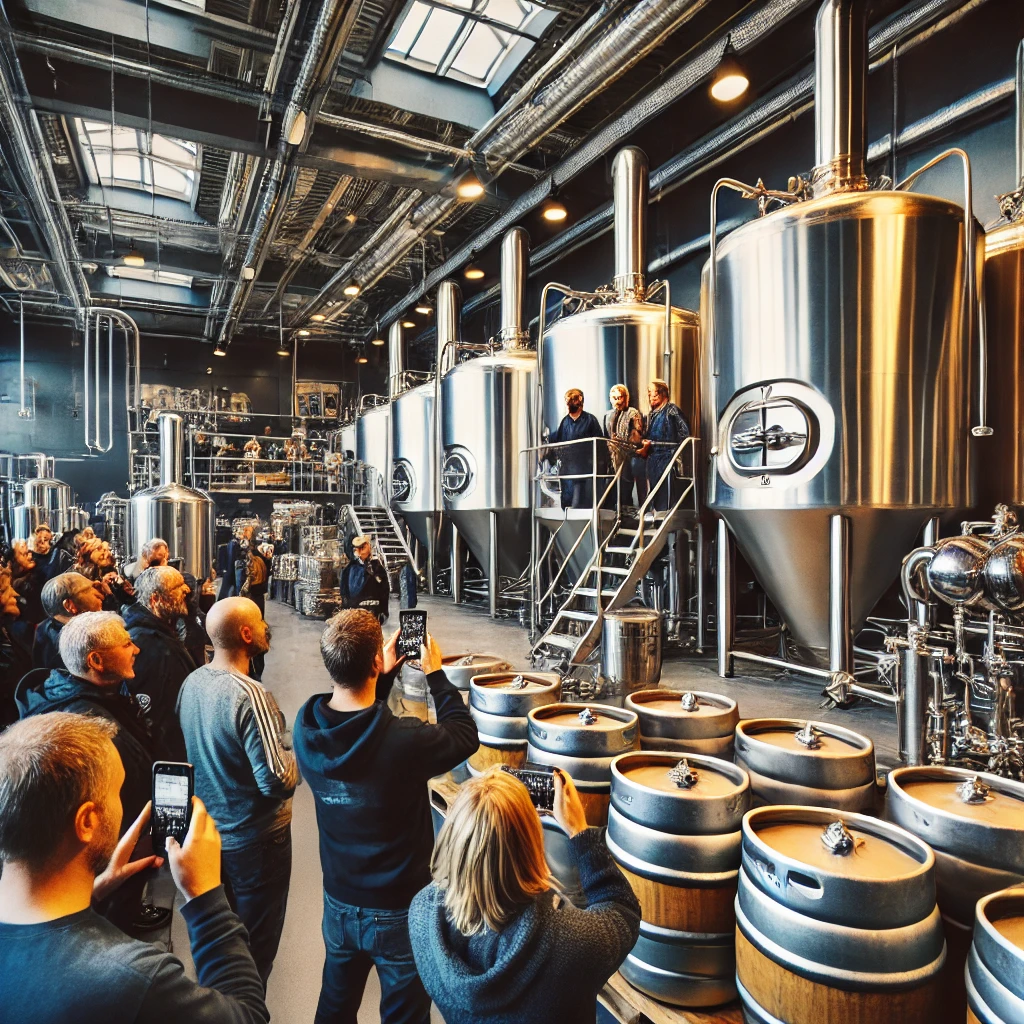
Take a brewery tour: One of the highlights of Pilsner Fest is the opportunity to tour the Pilsner Urquell Brewery. You’ll learn about the brewing process, see the original copper kettles, and even taste unfiltered pilsner straight from the barrel.
Pace yourself: Czech beers, especially pilsners, are easy to drink, but they can also pack a punch. Be sure to pace yourself, especially if you’re planning on spending the whole day at the festival.
Explore Plzeň: While the festival is the main attraction, Plzeň is a charming city with plenty to offer. Take some time to explore the local sights, including St. Bartholomew’s Cathedral and the Plzeň Historical Underground, a network of tunnels that runs beneath the city.
Try the unfiltered beer: If there’s one thing you do at Pilsner Fest, make sure it’s trying the unfiltered Pilsner Urquell. This beer is only available at the brewery, and it offers a unique, fuller taste compared to the filtered version.

Pilsner Fest is a must-visit for any beer enthusiast, especially those with a passion for pilsners. It’s a celebration of the beer that changed the world, set in the city where it all began. Whether you’re sipping a cold Pilsner Urquell in the town square, enjoying traditional Czech food, or learning about the brewing process at the brewery, Pilsner Fest offers an authentic and immersive beer experience. With its combination of history, culture, and world-class beer, it’s an event that will leave you with a deep appreciation for the legacy of pilsner.

Belgian Beer Weekend (Brussels, Belgium)

Belgian Beer Festival

Overview and Experience:

Stepping into the Belgian Beer Weekend feels like walking into a celebration of history, tradition, and the world’s finest beer. Held in Brussels’ Grand Place, a UNESCO World Heritage site, the festival showcases Belgium’s incredible beer culture. The event typically takes place in early September, transforming the iconic square into a beer lover’s paradise, with tents from over 50 Belgian breweries offering hundreds of different brews.

The Grand Place, with its stunning Gothic architecture and rich history, provides a breathtaking backdrop for this festival. The cobbled streets and medieval buildings transport you to another time, and the aroma of malt, hops, and brewing yeast fills the air. From the smallest artisanal brewers to world-famous Trappist monasteries, Belgium’s brewing heritage is on full display.

Whether you’re a connoisseur or a casual beer drinker, Belgian Beer Weekend offers a chance to taste the full spectrum of Belgium’s brewing styles. The atmosphere is festive but laid-back, with live music, parades, and traditional games adding to the fun. It’s not just a beer festival—it’s a cultural event that draws visitors from around the world.

The Beer Experience:

Belgium is home to some of the most revered beer styles in the world, and the Belgian Beer Weekend is your opportunity to sample them all. The beers you’ll encounter here are not just drinks—they’re works of art, crafted by brewers who have spent centuries perfecting their craft. Some of the most iconic Belgian beer styles include:

Trappist Beers: Brewed by monks within the walls of Trappist monasteries, these beers are often strong, complex, and steeped in tradition. Look out for famous names like Westmalle, Chimay, and Orval. Trappist ales typically include:
    Dubbel: A dark, malty beer with rich flavors of caramel, raisins, and dark fruit.
    Tripel: A pale, strong ale with a higher alcohol content and fruity, spicy notes.
    Quadrupel: The strongest of the Trappist ales, with a deep, rich flavor and a high ABV (usually above 10%).

Lambics and Gueuze: These wild, spontaneously fermented beers are unique to Belgium. Lambics are often aged in wooden barrels and can be blended to create gueuze, a sparkling beer with a tart, sour character. Look for:
    Kriek: A cherry-infused lambic, which balances the beer’s natural sourness with a fruity sweetness.
    Framboise: A raspberry lambic with a refreshing, tart flavor profile.

Saisons: Originally brewed by farmers in Wallonia to refresh workers during the harvest season, these beers are dry, fruity, and lightly spiced. Saisons typically have a low-to-moderate ABV and are perfect for sipping on a warm day in the Grand Place.

Belgian Pale Ale: Balanced and easy-drinking, Belgian pale ales have a malt-forward flavor with subtle hop bitterness. They’re often lighter than other Belgian beers, making them a great option for an afternoon of tasting.

Witbier: A Belgian-style wheat beer brewed with spices like coriander and orange peel. Light, hazy, and refreshing, witbiers are ideal for a sunny day.

At the festival, you’ll find beers from both small craft brewers and larger, more established names. Don’t miss the chance to try beers from breweries like Duvel, known for its strong golden ale, and Rodenbach, famous for its sour Flemish red ales.

The Food Experience:

Belgium is as famous for its food as it is for its beer, and the Belgian Beer Weekend offers plenty of opportunities to sample traditional Belgian fare. As you sip on your beer, you can enjoy classic dishes that complement the rich flavors of the brews on offer.

Moules-frites: A quintessential Belgian dish of mussels steamed in white wine and herbs, served with a generous portion of crispy fries. The salty, savory flavors of the mussels pair beautifully with a crisp Belgian pale ale or witbier.

Carbonnade Flamande: A hearty beef stew made with dark Belgian beer, onions, and spices, often served with mashed potatoes or fries. This rich, savory dish is perfect alongside a dubbel or quadrupel.

Belgian Waffles: For dessert, nothing beats a warm, freshly made Belgian waffle. Topped with powdered sugar, whipped cream, or fresh fruit, these waffles are light, fluffy, and perfect for pairing with a fruity lambic or a rich stout.

Cheese Plates: Belgium is home to some excellent cheeses, and many vendors at the festival offer cheese plates that pair perfectly with your beer. Try a creamy Chimay cheese with a robust trappist ale or a tangy blue cheese with a sour gueuze.

Why Belgian Beer Weekend is Unique:

The Belgian Beer Weekend is a celebration of both beer and heritage. What sets it apart from other beer festivals is the sheer depth and variety of Belgium’s brewing tradition. This isn’t just a place to drink beer—it’s a chance to explore centuries of brewing history and to appreciate the artistry and dedication that goes into every bottle. The festival is a true showcase of the country’s diverse beer culture, with styles ranging from the funky and sour to the rich and complex.

The setting in the Grand Place adds another layer of magic to the experience. As you sip your beer and take in the sights of Brussels, you’re surrounded by some of the most beautiful and historic architecture in Europe. It’s hard not to feel like you’re part of something special when you’re standing in the heart of one of the world’s great cities, enjoying some of the best beer on Earth.

Pro Tips for First-Time Attendees:

Start slow: Many Belgian beers are high in alcohol content, so it’s important to pace yourself. Begin with lighter styles like witbier or saison, and gradually work your way up to stronger beers like tripels and quadrupels.

Mix and match: Don’t be afraid to mix different beer styles throughout the day. Belgian beer is known for its versatility, and you’ll find that many styles complement each other beautifully.

Talk to the brewers: One of the best things about Belgian Beer Weekend is the opportunity to meet the brewers behind the beers. Many of the smaller breweries are happy to chat about their brewing process, and they’ll often have great recommendations for what to try next.

Explore beyond the beer: While the beer is the star of the show, don’t forget to enjoy the other aspects of the festival. Watch the traditional parades, listen to live music, and take part in the games and activities scattered throughout the square.

The Belgian Beer Weekend is a must-visit for any beer enthusiast. It offers an unparalleled opportunity to explore the depth and complexity of Belgian brewing, all while surrounded by the beauty and history of Brussels’ Grand Place. Whether you’re a fan of fruity lambics, strong ales, or something in between, you’ll find plenty to love at this festival. With its unique blend of tradition, innovation, and celebration, Belgian Beer Weekend is an experience you’ll remember long after your glass is empty.

Belgian Beer Festival